


Gobeklitepe & Nemrut Travel Questions
Plan a trip to Gobeklitepe, Mount Nemrut, Sanliurfa and Gaziantep. Check the sights, walking and travel time before you choose a route.
Gobeklitepe is the oldest known temple in the world, built around 9600 BC. That is roughly seven thousand years before Stonehenge, and before farming, writing, pottery or the wheel.
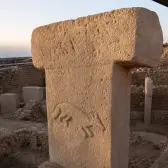
What stands there is a set of circular enclosures of T shaped limestone pillars, some five metres tall, carved with foxes, snakes, boars and vultures. They were raised by hunter gatherers. This challenged the idea that people had to settle and farm before they could build large monuments.
It is a UNESCO site and it is still being excavated. Only a small part of the hill has been opened, and the rest is under the ground you walk over.
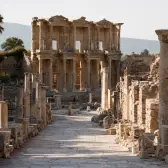
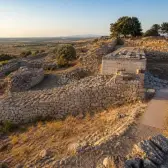
Visually it is not Ephesus. It is a covered archaeological site with a walkway, and what makes it extraordinary is the date rather than the view. A guide is what turns it from stones into the story.
Similar questions
Both work, and they are different experiences.
Mount Nemrut is a 2,150 metre summit with a first century BC tomb sanctuary on it: very large stone heads of gods and a king. Earthquakes knocked them from their bodies, and they remain where they fell. Two terraces face east and west, so one catches the sunrise and the other the sunset.
Sunrise means leaving the hotel around 03:00 and standing on a cold summit in the dark, and the light coming up over the eastern terrace is what people travel for. Sunset is warmer, easier, and the western terrace is the better preserved of the two.
It is cold at the top in every season and windy in most. Bring a proper jacket even in August.
Neither run includes a meal, because both happen outside meal hours. The hotel arranges a box where it can.
Similar questions
Sanliurfa is the base for Gobeklitepe and it deserves a day of its own.
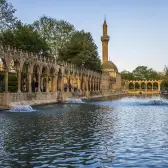
Balikligol is the centre of it: pools of sacred carp beside a mosque, where tradition places Abraham's escape from the fire. Pilgrims and families come all day, and it is one of the few places in Turkey that feels genuinely unchanged by tourism.
The bazaar behind it is a working one, with coppersmiths, spice merchants and a courtyard cafe where men play backgammon under a mulberry tree.
The archaeology museum holds the finds from Gobeklitepe, including the Urfa Man, a limestone statue about 11,000 years old and the oldest life sized human sculpture known. Visiting the museum before Gobeklitepe helps you understand what you will see at the site.
Similar questions
Gaziantep is known as Turkey's food capital, with a food tradition behind that reputation. It is a UNESCO city of gastronomy, and the baklava here is a protected regional product made with pistachios from the surrounding hills.
Eat it where it is made rather than where it is packaged. The old bazaars around the castle are full of small producers, and the copper market beside them still hammers metal for a living.
The Zeugma Mosaic Museum is the other reason to come. It holds the mosaics rescued from a Roman city flooded by a dam in 2000, and it is the largest mosaic museum in the world. The Gypsy Girl, a fragment of a face with extraordinary eyes, is what everyone comes to see and it deserves it.
A day here covers both, and lunch is included on our southeast tours.
Similar questions
Harran sits an hour south of Sanliurfa, almost on the Syrian border, and it is one of the oldest continuously inhabited places on earth.
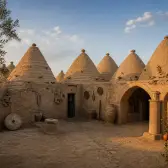
The beehive houses have dome-shaped roofs made from mud bricks, with no wood used in their construction, because there are no trees here. They stay cool through a summer that reaches 45 degrees, and a few families still live in them. The rest are kept as they were.
Above the village stand the ruins of what is thought to be the first Islamic university, and the old city walls. Abraham is said to have lived here on his way from Ur to Canaan.
It is hot, flat and dusty, and it feels further from Istanbul than the distance suggests. That is most of why it is worth going.
Similar questions
These are the most demanding tours in our catalogue. Read the travel times, weather and walking details carefully before you choose.
The distances are long. Sanliurfa to Adiyaman to Gaziantep means hours of driving through country with little in between. Summer temperatures reach the mid forties, and Mount Nemrut involves a 03:00 start and a cold summit.
What you get for it is the least visited and most extraordinary part of the country. Gobeklitepe alone rewrites what you thought you knew about how old organised religion is.
Spring and autumn are the seasons to do it. April, May, September and October are warm rather than brutal, and the light on the Euphrates plain is better.
The tours are under Southeast Turkey tours.
Similar questions
Southeast tours run in English only, and the groups are capped at 15 people.
This maximum group size is based on how the trips operate, rather than on marketing. The roads, the hotels and the sites out there work better with a smaller party, and a coach of thirty at Gobeklitepe would be a poor visit for everybody.
English only reflects the guides available. Licensed guides who work this region and speak Spanish or Italian are very few, and we would rather say so than promise one and substitute at the last minute.
Private southeast tours are available on the same terms, with the vehicle and the guide to yourselves.
Similar questions
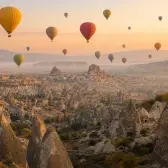
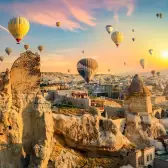
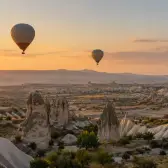
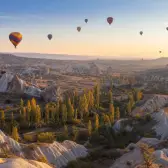
Easily, and it is the most common way people fit the southeast into a Turkey trip. Cappadocia sits between Istanbul and the southeast, so the route runs naturally north to south.
Cappadocia to Adiyaman for Mount Nemrut is a long drive, and several of our tours make that leg the transition. From there it is Sanliurfa and Gobeklitepe, then Gaziantep, and home by air.
Allow at least seven days for the pair. A five-day trip is possible, but it leaves little time in either region and can feel rushed.
The pairing works because the two regions rhyme. Both are volcanic, both are about what people carved out of rock, and one of them is nine thousand years older than the other.
Similar questions
No question matches that word. Try another, or ask us directly below.